
SEO For Therapists - 9 On-Page SEO Factors You Can't Ignore With Actionable Tips
Jesse Deildale • November 15, 2023
Essential SEO For Therapists Websites:
9 Factors That Will Separate You From The Rest
You are a therapist. You just started to learn the importance of SEO for therapists (Search Engine Optimization) when building your website. You went to school for years and never once did anyone touch on the subject of SEO. While there are several aspects of SEO, Your website requires what is called "on-page SEO".
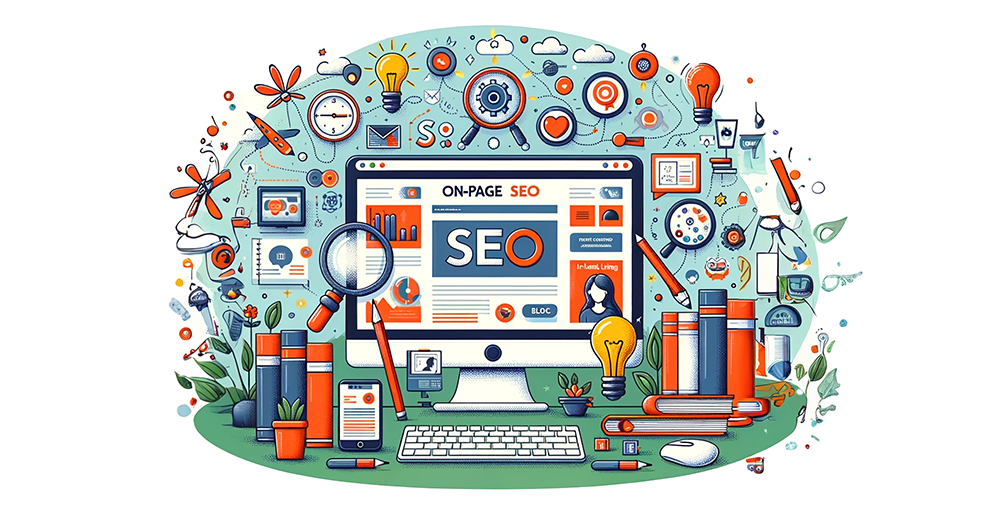
Imagine your website is like a book in a huge library (which is the internet). On-page SEO is like making sure your book has a really good title, a clear summary, and everything inside is well organized and easy to read.
This helps the librarians (which are like search engines, such as Google) understand what your book is about, so when someone comes looking for a book like yours, the librarians know exactly where to find it and show it to them. It's all about making your website easy for people and search engines to understand and find!
Understanding and implementing on-page SEO factors is incredibly important for therapists to increase their online visibility, attract more clients, and provide valuable information to those in need.
In this blog post, we'll explore nine on-page SEO factors that you can't afford to ignore. I will break it down the best I can and offer you short, actionable tips on how to implement each one. If the topic of SEO is so incredibly overwhelming, Feel free to book a call with me. I will explain it to you in person and answer your questions the best I can. It is free and there is no obligation to work with me. I am Jesse from Thriving Mind Marketing, and my entire focus is creating a company that is an asset to therapists who are looking to grow their business and know how important the online world is to doing that.
Understanding and implementing on-page SEO factors is incredibly important for therapists to increase their online visibility, attract more clients, and provide valuable information to those in need.
In this blog post, we'll explore nine on-page SEO factors that you can't afford to ignore. I will break it down the best I can and offer you short, actionable tips on how to implement each one. If the topic of SEO is so incredibly overwhelming, Feel free to book a call with me. I will explain it to you in person and answer your questions the best I can. It is free and there is no obligation to work with me. I am Jesse from Thriving Mind Marketing, and my entire focus is creating a company that is an asset to therapists who are looking to grow their business and know how important the online world is to doing that.

1. Content Relevance:
As a therapist, your website's content should be tailored to provide valuable information and insights related to mental health, counseling, and therapy. Ensure that your content addresses the specific needs and questions of your target audience, offering them the guidance and the support they seek.
- Consider your target audience and what they want to know.
- Make your content informative and relevant to your audience.
- Include all necessary information about a subject.
- Create content that isn't time-sensitive and has value that will last into the future. (like this blog post)
- Use design that supports your messaging and delivers it in a visual, easy-to-process manner.
- Add links that direct readers to relevant content, such as statistics, infographics, and videos. This is helpful.

2. Content Freshness:
In the fast-paced world of mental health and therapy, it's essential to keep your website's content up-to-date. Regularly update your blog posts, articles, and resources to reflect the latest research, trends, and insights in the field of mental health.
- You can add new information, statistics, or insights to an existing article. You can also refresh the design or layout of a page to make it more visually appealing.
- Incorporate the latest industry trends into your website content.
- Include targeted keywords, meta descriptions, and title tags.
- Publish new (evergreen) content regularly. Evergreen means that the content isn't tied to a specific time and can referenced over and over. It is always relevant and useful.
- Submit your content to Google through Search Console. If you don't know how to do this, Book a free 15-minute session with me and I will show you how to, no charge :)
3. Title Tags:
Craft compelling and informative title tags for each page on your website. Titles should accurately reflect the content of the page and include relevant keywords that potential clients might use when searching for therapy services in your area.
- Title tags should be brief and concise.
- Title tags should be unique for every page.
- Include the page's target keyword as close to the beginning of the title as possible.
- Don't repeat keywords.
- Title tags should accurately describe your page.
- Separate your brand name from the page title.
- Write a great title that converts and gets clicks.

4. URLs:
Optimize your URLs to be user-friendly and search engine-friendly. Use descriptive URLs that convey the topic of the page, making it easier for both users and search engines to understand the content.
- Keep it short and simple
- Use meaningful keywords
- Use hyphens to separate words
- Eliminate stop words
- Keep it entirely lower case
- Use subfolders that logically organize your content

5. Meta Descriptions:
Write concise and engaging meta descriptions for your webpages. These brief snippets should provide a glimpse into what visitors can expect when they click on your page. Use persuasive language to encourage click-throughs.
- Keep the meta description under 155 characters. Google generally shortens snippets to ~155-160 characters.
- Include a compelling summary of the page. Clearly tell the user what they'll gain by clicking through.
- Include relevant keywords to help your site rank for relevant queries. Don't use more than about 10 meta keywords for a single page.
- Use an active voice and make it actionable.
- Call to action: Include a call to action.
- Make it unique.
- Make sure it matches the content of the page.
- Avoid duplicate meta descriptions across different pages on your site.

6. Internal Links:
Utilize internal links strategically to guide visitors to other relevant pages on your website. This not only enhances user experience but also helps search engines better understand the structure and importance of your content.
- Create high-quality content
- Link high-authority pages to new pages
- Use anchor text that you want to rank for
- Ensure that links are contextual
- Use relevant links for internal linking
- Be reasonable with the number of internal links used

7. Schema Markup:
Consider implementing schema markup on your website, particularly if you offer specialized therapy services. Schema markup can help search engines provide more detailed and visually appealing search results, increasing your chances of attracting clicks.
- Use the most specific class possible
- Markup only what is on the page
- Identify relevant schema types
- Consider your overall digital marketing strategy
- Add your company schema to the homepage
8. Images:
When using images on your website, optimize them for SEO. Ensure that images have descriptive alt text, captions where necessary, and appropriate file sizes to improve page loading times.
- Ensure images are high-resolution and not blurry, pixelated, or distorted.
- Limit images to no more than 500KB; smaller web graphics should be under 100KB. Full-screen backgrounds can approach 1MB.
- Place an image at the top of every web page for immediate viewer engagement.
- Use one of the four major formats: JPG, PNG, GIF, or SVG, based on their specific benefits and use cases.
- Avoid including text in images to comply with Web Content Accessibility Guidelines (WCAG).
- Make sure each image has alt text
- Ensure the image aligns with the post's title and contributes to the story being told.

9. E-A-T (Expertise, Authoritativeness, Trustworthiness):
E-A-T is a crucial concept, especially in the field of therapy. Establish and showcase your expertise and trustworthiness by sharing your qualifications, certifications, client testimonials, and relevant experience. Demonstrating your authority can boost your website's credibility in the eyes of both users and search engines.
- Clearly display your degrees, certifications, and professional affiliations to establish your expertise in therapy. Most people don't care, but some do and so does Google. This is mostly seen on your about page
- Create and share insightful articles, blogs, or research papers that reflect your knowledge and experience in therapy.
- Include positive reviews and testimonials from clients to build trust and demonstrate effectiveness.
- Share your professional journey, including years of practice and specializations, to enhance credibility.
- Participate in relevant forums, webinars, or workshops and mention these engagements on your website to showcase your ongoing involvement in the field.
Implement these and you will thrive.
By paying close attention to these on-page SEO factors, you can enhance your online presence, connect with individuals seeking therapy services, and ultimately make a positive impact on their clients' lives. As the digital landscape continues to evolve, staying up-to-date with SEO best practices is essential for therapists looking to thrive in the online space.
If you have any questions or need further guidance on optimizing your therapy website for search engines, feel free to reach out to us. We're here to help you make the most of your online presence as a therapist.
Book a 15 minute free fit call
and see if we are a fit to work together
SHARE THIS POST:
Search Article
Ready to Grow Your Practice?
Let’s take your digital presence to the next level and help more clients find you.
Recent Articles:

Discover the secrets to successful social media marketing tailored for therapists and counselors, with Thriving Mind Marketing. Check this out!

Learn how to create an effective content marketing strategy tailored for therapy practices. Read here to learn more and get in touch with us!

Discover how to leverage social media for therapist and counselor marketing with this beginner's guide. Read here to learn more and contact us!
Discover the essential User Experience (UX) principles for creating a user-friendly and engaging therapist website. Read here to learn more!

Learn how to write captivating website content that connects with potential therapy clients and amplifies your digital marketing efforts. Read on!

Discover how integrating video content into your therapist website's SEO strategy can enhance your online presence, & showcase your expertise in mental health.
Learn about Local SEO for therapists, helping your website rank higher in local searches. Read here to learn more and get in touch with us now!

Discover the power of social media marketing specifically tailored for therapists that can help you engage with your target audience. Read on!

Boost your therapy practice's visibility among nearby prospective clients with our local SEO tips and tricks. Read here to learn more and contact us!

Discover the answers to your digital marketing questions for therapists and counselors, in this guide from Thriving Mind Marketing. Read on!

Discover the crucial elements of an effective social media strategy designed specifically for mental health professionals. Check this out now!

Discover effective ways to use email marketing as a therapist to enhance client relationships, retention, and practice growth. Check this out!

Learn the key elements of crafting effective and engaging landing pages designed specifically for therapists to increase website conversions. Read on!

Uncover the potential of local SEO strategies to elevate your therapy practice's online visibility and attract new clients in your target area. Read on!

Ensure a successful therapist or counsellor website launch with our step-by-step guide and checklist in this guide from Thriving Mind Marketing. Read on!
Maximize your therapy practice's online visibility with our beginner-friendly SEO checklist. Read here to learn more and get in touch with us!

Discover a curated list of essential tools and resources for therapists and counselors to build and optimize their websites. Read on to know more!

Boost your therapist website's SEO and visibility by implementing proven backlink building strategies. Discover techniques to improve your online presence.

Discover the key tactics and strategies for improving your therapist website's local SEO, helping your mental health practice stand out in local search results.

Elevate your therapy website's performance with our holistic guide on understanding user experience (UX). Read here to learn more and contact us!